Why Is a Beauty Blender Better Than a Regular Sponge?

Time:2026-10-10 Author:Amelia
0%

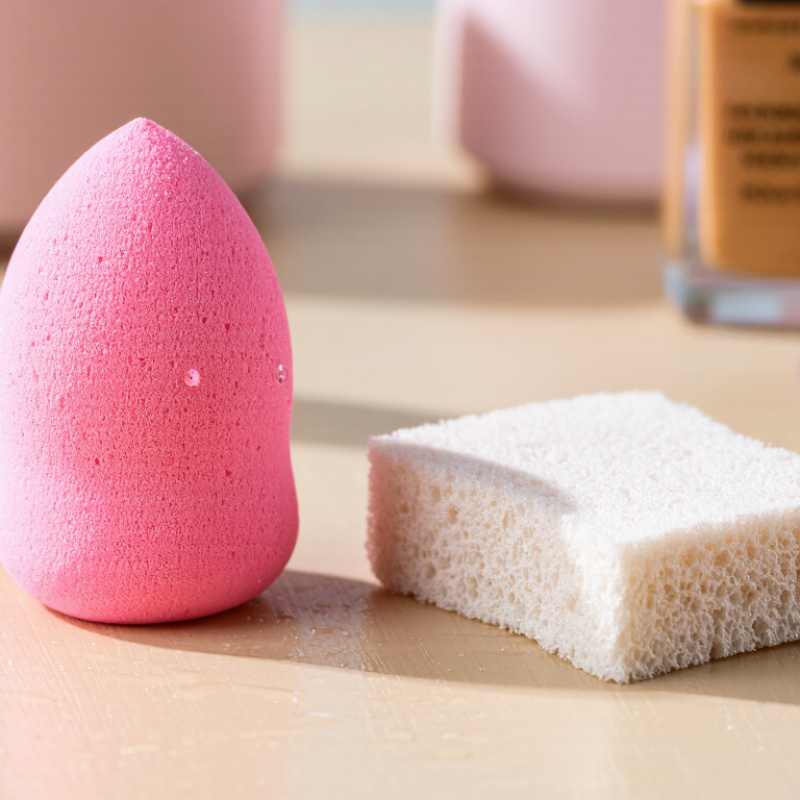
Choosing the right makeup sponge can change how foundation looks and feels on the skin. Many shoppers ask, “what is the difference between a beauty blender and a regular sponge?” The answer involves shape, texture, water absorption, and application technique. A beauty blender usually has a soft, elastic foam that expands after dampening. Its rounded base covers the cheeks and forehead, while its pointed tip reaches around the nose and eyes. The familiar bouncing motion can create a thinner, more even layer than dragging a sponge across the face.

It feels different.

In personal testing, a damp beauty blender often leaves fewer visible streaks on liquid foundation. The finish can look smooth under daylight, especially around dry patches. However, results depend on the product, skin preparation, and pressure used. A regular wedge sponge may provide sharper edges and more control for concealer or cream contour. It can also cost less, which matters for frequent applications. Neither option is automatically better for everyone.

Professional makeup artists commonly value beauty blenders for seamless blending, but hygiene remains essential. A damp sponge can hold makeup, oil, and moisture between uses. Wash it thoroughly, let it air-dry, and replace it when cracks or odors appear. Manufacturer care instructions and dermatology guidance should take priority over online claims. I have sometimes preferred a regular sponge for quick touch-ups. Convenience wins occasionally. The better choice is the sponge that suits your formula, skin needs, budget, and cleaning habits.
Why Is a Beauty Blender Better Than a Regular Sponge?

What Makes a Beauty Blender Different from a Regular Sponge

Why Is a Beauty Blender Better Than a Regular Sponge?

What Makes a Beauty Blender Different from a Regular Sponge

A makeup blender is designed for facial cosmetics, while a regular sponge usually serves broader cleaning or household purposes. Its soft, open-cell foam absorbs water and expands before application. This creates a flexible surface that presses foundation into the skin instead of dragging it across the face.

The shape also matters. A rounded base covers the cheeks and forehead efficiently. A pointed tip reaches around the nose and inner eyes. Use it damp, then squeeze out excess water with a clean towel. The sponge should feel cool and slightly springy, not wet. I have found that light bouncing creates a more even finish than rubbing. It also helps sheer out heavy foundation.

Not magic, though.

A regular sponge may leave streaks, shed fibers, or absorb too much product. Some are too firm for delicate areas. A makeup blender can still produce uneven coverage when it is overloaded or poorly cleaned. I sometimes use too much water, and the foundation becomes thin and patchy. That small mistake changes the result.

Clean the blender after each use with mild soap and lukewarm water. Press it gently instead of twisting, because twisting can damage the foam. Let it dry in an open, ventilated place. Replace it when cracks, odors, or persistent stains appear. Good technique matters as much as the tool.

A makeup foam blender is designed with fine, flexible pores and is commonly used damp. Compared with a typical cellulose household sponge, it offers more even product distribution, softer skin contact, and better control around small facial areas. The chart uses a practical 1–5 comparison scale based on these material and use characteristics.

How Its Shape and Texture Improve Makeup Application

Why Is a Beauty Blender Better Than a Regular Sponge?
How Its Shape and Texture Improve Makeup Application

In my experience, a beauty blender creates a softer, more even makeup finish than a regular sponge. Its rounded body presses foundation into the skin without leaving obvious edges. The pointed tip reaches narrow areas, such as the sides of the nose and inner corners of the eyes. The wider base blends larger areas quickly. Small movements matter.

Its flexible texture also improves control. When slightly damp, the material expands and feels springy against the face. It absorbs less liquid foundation than a dry sponge, which can reduce product waste. I usually squeeze it inside a clean towel before use. It should feel moist, not dripping. A wet tool can thin coverage and make concealer slide.

Still, the shape does not solve every problem. I once used too much pressure and created uneven patches around my cheeks. A lighter bouncing motion worked better. The sponge also needs regular washing and complete drying, because trapped moisture can encourage unpleasant smells and microbial growth. A regular sponge may suit quick cleanup, but its flat surface often struggles with curves. This tool is more precise, though it requires patience and proper care.

Why It Creates Smoother, More Even Coverage

A beauty blender often creates smoother, more even coverage because its soft, rounded surface presses makeup into the skin. A regular sponge may drag across dry patches or leave visible edges. When slightly damp, the blender absorbs less foundation. More product stays on the face, not inside the sponge.

The result is thinner coverage with fewer streaks around the nose and jaw. Professional makeup artists often use a bouncing motion, which helps build pigment gradually. This matters as complexion makeup becomes more important to consumers. Circana’s 2024 U.S. prestige beauty report recorded continued growth in makeup sales, showing strong demand for refined complexion results. However, a sponge is not automatically better. A very wet blender can dilute foundation and create patchiness. I have also found that pressing too hard removes coverage instead of smoothing it. Technique remains decisive.

Tips: Dampen the sponge, then squeeze it inside a clean towel. Use the narrow tip beside the nose and under the eyes. Bounce, never swipe. Wash it after every few uses, and replace it when the surface tears. Cosmetic hygiene research has repeatedly linked damp tools with higher microbial growth, so drying the sponge fully matters. If your skin is flaky, apply moisturizer first and wait briefly. Even coverage cannot hide poor skin preparation. (Circana, 2024; Journal of Applied Microbiology, cosmetic-tool hygiene research)

How Moisture Absorption Affects Product Waste

Why Is a Beauty Blender Better Than a Regular Sponge?

How Moisture Absorption Affects Product Waste

A beauty blender can reduce product waste because water fills part of its internal structure. When dampened correctly, the foam expands and absorbs less foundation. More product stays on the surface, where it can blend across the skin. A regular sponge may pull liquid makeup deeper into its pores. That product often becomes difficult to retrieve.

Use it damp, not dripping. Press it inside a clean towel until no water falls out. A soft, springy surface should remain. During application, I notice that a pea-sized amount usually spreads farther with a damp blender. The finish also looks less heavy around the nose and cheeks. This is practical, not magical.

Material matters. Some regular sponges have dense foam and waste very little, while some beauty blenders absorb more than expected. Shape, pressure, and formula change the result. Cream products may collect near the sponge’s edges. I still lose a small amount during cleaning, especially with long-wear makeup. That is worth acknowledging. Rinsing immediately usually removes more product than waiting until it dries. Gentle squeezing works better than twisting, which can damage the foam and shorten its useful life. A clean tool also gives more reliable results because old residue can affect absorption.

Cleaning, Durability, and Choosing the Right Sponge

A beauty blender usually applies foundation more evenly than a regular sponge because its fine, flexible foam absorbs less product. I notice the difference around my nose, where a rough sponge can leave visible streaks. Dampen the blender first, then squeeze it gently in a clean towel. It should feel springy, not soaked. Rinse it after every use with mild, fragrance-free cleanser, working from the center outward. Rinse until the water runs clear. Do not twist it aggressively. That can tear the foam.

Let it air-dry in a ventilated place before storing it. A closed makeup bag can trap moisture and encourage odor or microbial growth. Replace the sponge when it develops cracks, a persistent smell, or a rough surface. A calendar reminder helps, but condition matters more than an exact replacement date. I once kept a sponge too long because it still looked usable. It did not feel clean anymore. Not my best choice.

Durability depends on foam density, washing habits, and how firmly you press. A softer sponge may create a sheer finish, while a firmer one offers more control for concealer. Choose a rounded shape for cheeks and forehead, with a pointed end for narrow areas. If your skin reacts easily, look for latex-free material and avoid heavily scented cleansers. A regular sponge may cost less, but its texture and absorption can waste more makeup. Still, a beauty blender is not automatically better for everyone. Test the feel, cleaning effort, and finish your routine actually needs.

Why Is a Beauty Blender Better Than a Regular Sponge? — Cleaning, Durability, and Choosing the Right Sponge
Comparison Dimension Beauty Makeup Sponge Regular Household Sponge Practical Takeaway
Material and Purpose Usually made from soft, cosmetic-grade polyurethane foam and designed for applying liquid or cream makeup. Often made from cellulose, polyester, nylon, or abrasive foam and designed for cleaning, washing, or general household use. Use a cosmetic sponge for facial products; household sponges are not designed for skin contact.
Texture Fine, soft pores help distribute foundation and concealer with a smoother finish. Coarser or denser surfaces may absorb unevenly or leave visible texture on the skin. A finer texture generally creates more even coverage and reduces the appearance of application marks.
Application Method Can be used damp for a sheer, dewy finish or dry for more concentrated coverage. Pressing or bouncing is recommended. Usually intended for wiping or scrubbing rather than controlled cosmetic application. The damp-bounce technique can help build coverage gradually without dragging the skin.
Product Absorption When properly dampened and squeezed out, it can reduce the amount of liquid makeup absorbed compared with using it completely dry. May absorb liquid unevenly, making it harder to control how much product reaches the skin. Moistening the cosmetic sponge can improve product control, but it does not eliminate product absorption.
Finish on the Skin Typically produces a blended, soft-focus finish, especially when makeup is applied with light bouncing motions. May create streaks, patches, or an uneven layer because its shape and surface are not optimized for makeup. Choose a cosmetic sponge when a seamless finish is more important than speed.
Cleaning Frequency Should be rinsed after each use and washed thoroughly on a regular basis to remove makeup, oil, and microorganisms. Should also be cleaned frequently, but cleaning requirements depend on whether it is used for dishes, surfaces, or other tasks. Frequent cleaning is essential for any reusable item that touches the face.
Recommended Cleaning Method Wet with lukewarm water, apply a mild cleanser, gently work the product through the foam, rinse until clear, and air-dry completely. Rinse thoroughly after use and follow the material’s care instructions; some household sponges can be sanitized, while others should be discarded. Avoid twisting or aggressively wringing a cosmetic sponge because this can damage the foam.
Drying and Storage Needs open-air drying in a clean, ventilated place. It should not be stored damp in a sealed container. Can retain moisture in its pores and may develop odors or microbial growth if left wet. Complete drying is one of the most important steps for reducing odor and contamination.
Durability Durability depends on foam quality, cleaning habits, frequency of use, and exposure to oils or harsh cleaners. Cracks, tears, and persistent discoloration are signs to replace it. Durability varies widely. Abrasive surfaces can wear down, while porous materials may hold residue and odors over time. Replace either type when it becomes damaged, permanently stained, smelly, or difficult to clean.
Typical Replacement Guidance Many reusable cosmetic sponges are commonly replaced about every one to three months with regular use, or sooner if damaged or poorly maintained. Replacement timing varies by material and task; frequent-use kitchen sponges may require replacement much sooner than lightly used cleaning pads. Replacement schedules are practical guidelines, not guarantees; condition and cleanliness matter more than an exact date.
Best Shape for Precision Teardrop and angled shapes provide broad surfaces for cheeks and pointed tips for corners around the nose and eyes. Flat or rectangular shapes are generally designed for surface coverage rather than facial detail. Choose a pointed or angled end when applying concealer in small areas.
Best Choice for Sensitive Skin Select a soft, latex-free option when latex sensitivity is a concern, and stop using it if irritation occurs. Household materials may contain dyes, fragrances, cleaning residues, or abrasive fibers that are unsuitable for facial skin. Look for a clean, fragrance-free cosmetic tool and patch-test new products when skin is reactive.
Hygiene Risk Can harbor bacteria, yeast, and mold if stored damp or used repeatedly without washing. Can also harbor microorganisms, particularly when it remains wet and contains food, grease, or cleaning residue. Never share a reusable makeup sponge, and do not use a household sponge on the face.
Cost Consideration Usually costs more than a basic household sponge because it uses cosmetic-focused materials, shaping, and finishing. Generally inexpensive, but its low price does not make it appropriate for applying makeup or skincare. For makeup, performance, hygiene, and skin compatibility are more relevant than the lowest purchase price.
Best Overall Use Foundation, tinted moisturizer, cream blush, cream bronzer, and concealer. Dishwashing, surface cleaning, polishing, or other household tasks according to its intended material. Use each sponge only for its intended purpose to improve results and reduce hygiene concerns.
Care note: No reusable sponge stays hygienic indefinitely. Clean it after use, allow it to dry fully, and replace it at the first sign of damage, persistent odor, mold, or an inability to rinse it clean.

FAQS

What makes a makeup blender different from a regular sponge?

A makeup blender is made for facial cosmetics. Its soft, open-cell foam expands when damp. It presses foundation into skin instead of dragging it.

How should I prepare a makeup blender before application?

Wet it with clean water. Squeeze it inside a clean towel. It should feel cool and springy, not dripping wet.

Why does the shape improve makeup application?

The rounded base covers cheeks and forehead quickly. The pointed tip reaches beside the nose and inner eye corners.

Can a damp sponge reduce foundation waste?

Often, yes. Water fills part of the foam, leaving more foundation on the surface. A dry sponge may absorb product deeply.

How should I apply foundation with the sponge?

Use light bouncing movements. Avoid rubbing. Small taps usually create smoother coverage and soften heavy foundation.

What happens if the sponge is too wet?

Foundation may become thin and patchy. Concealer can slide near the eyes. I sometimes use too much water, honestly.

How do I clean a makeup blender safely?

Wash it after each use with mild soap and lukewarm water. Press gently. Twisting can damage the foam.

When should I replace the sponge?

Replace it when cracks, unpleasant odors, or stubborn stains appear. Let it dry in an open, ventilated place. Moisture can linger.

Conclusion

What is the difference between a beauty blender and a regular sponge? The main difference lies in their design, texture, and performance. A beauty blender is typically made from soft, flexible foam with an angled or pointed shape that helps reach areas such as the corners of the nose and under the eyes. Its fine texture allows makeup to be pressed and blended into the skin, creating smoother, more even coverage with fewer visible streaks or patches. In contrast, a regular sponge may have a rougher surface, absorb more product, and offer less control during application.

Moistening the beauty blender before use can reduce product waste because it absorbs less foundation or concealer while still distributing makeup effectively. Proper cleaning after each use helps maintain its softness, hygiene, and blending ability, while careful storage can improve durability. When choosing a sponge, consider its firmness, shape, pore size, and compatibility with liquid, cream, or powder products.

Amelia

Amelia

Amelia is a seasoned marketing professional with a wealth of expertise in our company’s core offerings. With an unwavering passion for driving growth and innovation, she plays a pivotal role in shaping our marketing strategies and enhancing brand visibility. A key aspect of her responsibilities......