Waterproof mascara survives tears, humidity, and ordinary soap. That resilience can also trap pigment inside brush fibers, especially around the ferrule. Learning how to remove waterproof mascara from makeup brushes protects both brush performance and eye-area hygiene.
The 2023 Circana U.S. prestige beauty report recorded continued growth in eye-makeup demand. More eye products mean more frequent brush use and more residue to manage. The U.S. Food and Drug Administration warns that contaminated eye cosmetics may contribute to irritation or infection. The American Academy of Dermatology also recommends washing makeup brushes regularly, not only when they look dirty.
Cleaning is not cosmetic fussiness. It is maintenance.
Cosmetic chemist Perry Romanowski explains, “Waterproof makeup is designed to resist water, so an oil-compatible cleanser is often more effective.” His guidance reflects the product’s formula: waxes, film-formers, and pigments usually need gentle breakdown before rinsing. A practical routine should loosen mascara with a small amount of cleansing oil or micellar product made for waterproof makeup. Then, wash the bristles with mild brush cleanser and lukewarm water. Keep water away from the ferrule when possible. Press the brush in a clean towel, reshape it, and dry it horizontally.
A harsh scrub may feel efficient. It can also weaken bristles.
This guide will compare cleansing oils, gentle shampoos, and brush-specific formulas. It will address residue, drying time, odor, and brush damage. One uncomfortable truth remains: even careful cleaning cannot restore every brush. If bristles stay stiff, smell sour, or shed excessively, replacement may be the safer choice.
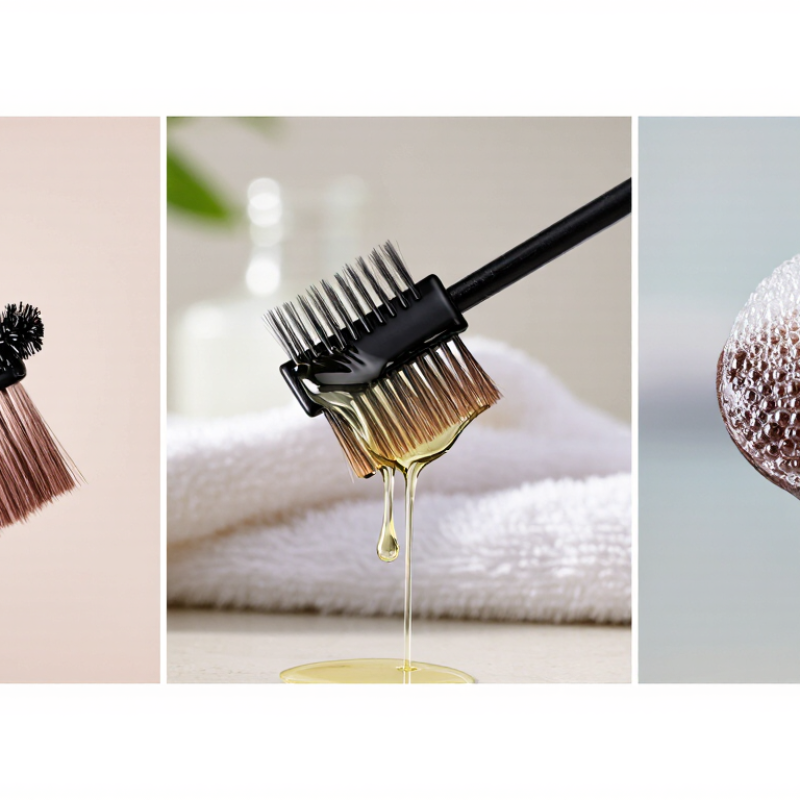
Waterproof mascara is difficult to remove because it is designed to resist water, sweat, and tears. Its formula often combines waxes, oils, pigments, and film-forming polymers. These ingredients create a flexible coating around each lash. Water alone cannot break that coating.
I learned this through repeated brush cleaning. A quick rinse left black residue between the bristles. That residue later made the brush stiff and uneven. The U.S. Food and Drug Administration’s Eye Cosmetic Safety guidance warns that eye-area products can trap microorganisms when cleaning is poor. ISO 22716, the cosmetics good manufacturing practice standard, also emphasizes controlled cleaning and contamination prevention. These standards support a careful approach, not aggressive scrubbing. Some mascara claims remain difficult to verify, so I would not trust every “easy-clean” label.
Tips: Start with an oil-based cleanser or professional brush-cleaning solution. Apply it to a small towel, then press the brush gently into the fabric. Rotate the handle instead of bending the bristles. Use lukewarm water afterward, and repeat once if needed. Never pull dried pigment from the brush. It can distort the shape. Dry the brush horizontally, away from direct heat. The FDA also advises avoiding eye cosmetics when irritation appears and not sharing them. I sometimes clean too quickly, especially with dense brushes. That habit needs correction. A spotless handle does not prove the bristles are clean.
| Removal Method | How It Works | Recommended Process | Typical Contact Time | Cleaning Power | Best Use | Important Caution |
|---|---|---|---|---|---|---|
| Oil-Based Cleanser | Oil dissolves and loosens the waxes, film-formers, and pigments commonly used to make mascara water-resistant. | Apply a small amount to dry bristles, gently work through the brush, then rinse with lukewarm water and follow with mild soap. | 2–5 minutes | Very High | Heavy, dried, or long-wear mascara residue. | Do not leave natural-hair bristles saturated for a long time; remove all oily residue before drying. |
| Cleansing Balm | The balm melts into an oil-like texture and helps break down waxy, water-resistant makeup films. | Massage a small amount into the bristles, emulsify with lukewarm water, rinse thoroughly, and wash again with brush soap. | 3–6 minutes | Very High | Brushes with thick, stubborn buildup. | Rinse until the water runs clear so the balm does not leave a slippery coating. |
| Waterproof Makeup Remover | Dual-phase formulas combine water and oil-based ingredients to target waterproof pigments and film-formers. | Shake well, saturate the bristles, let the liquid soften residue, then rinse and wash with a gentle cleanser. | 1–3 minutes | High | Fast spot cleaning and fresh mascara residue. | Always perform a second wash because remover residue can affect brush texture and makeup application. |
| Micellar Water for Waterproof Makeup | Micelles attract oils and makeup particles; waterproof versions generally contain additional oily or cleansing agents. | Soak the bristles briefly, gently comb through the residue, rinse, and finish with mild soap. | 2–4 minutes | Medium–High | Light to moderate residue and regular maintenance. | It may require repeated applications for fully dried mascara. |
| Gentle Brush Cleanser | Surfactants lift loosened oils, pigments, and debris from the bristles after the waterproof film has been softened. | Use after an oil-based pre-cleanse; work cleanser from ferrule to tip, rinse thoroughly, and reshape the brush. | 3–5 minutes | Medium | Final cleansing and routine brush care. | Used alone, it may struggle with wax-rich, fully cured waterproof mascara. |
| Mild Soap and Lukewarm Water | Soap and water remove loosened residue, surface oils, and remaining pigment through surfactant action. | Use only after pre-treating the mascara; gently lather, rinse with lukewarm water, and press dry with a clean towel. | 2–4 minutes | Low–Medium | Rinsing and finishing the cleaning process. | Avoid very hot water, harsh detergents, and vigorous scrubbing that can damage bristles. |
| Soft Brush-Cleaning Tool | Textured surfaces provide gentle mechanical help after the mascara has been chemically loosened. | Use with cleanser and light pressure, moving the brush in small circles; rinse and reshape afterward. | 1–3 minutes | Supportive | Removing residue trapped between dense bristles. | Do not use aggressive friction; it can spread residue deeper or fray delicate bristles. |
It leaves a waxy, pigment-heavy film on the bristles. Plain water may spread the residue instead. Patience helps.
Use a shallow glass, cleansing oil, mild liquid soap, and a silicone brush mat. Keep a clean towel nearby.
Start with dry bristles. Apply a small amount of oil to the bristles, avoiding the metal ferrule.
Let it loosen the film for 60 to 90 seconds. Do not twist the brush aggressively.
Massage the bristles from the ferrule toward the tips. Then rinse with lukewarm water flowing toward the tips.
A soft toothbrush or cotton swab can reach dense inner rows. Use light pressure, because vigorous scrubbing can bend bristles.
Press it inside a clean towel and reshape the bristles. Dry it horizontally, with the bristles extending beyond the counter edge.
Boiling water may damage the brush. Upright drying can carry water into the ferrule and weaken its adhesive.
Clean it after each heavy use, especially when sharing is possible. I sometimes wash too quickly, so residue remains.
Replace it if it keeps a sour smell, feels sticky, or sheds fibers. Follow the product’s storage and replacement instructions when available.
Waterproof mascara is designed to resist water, so it can cling tightly to makeup brush bristles and remain difficult to remove with ordinary soap. Learning how to remove waterproof mascara from makeup brushes begins with choosing a gentle oil-based cleanser, micellar solution, or mild brush-cleaning soap that can soften the residue without weakening the bristles. Warm water, a clean towel, and a shallow container can also make the process easier and more controlled.
Start by loosening dried mascara with a small amount of cleanser, allowing it to sit briefly before gently working through the bristles with your fingers. Rinse from the base toward the tips using lukewarm water, avoiding excessive soaking or harsh rubbing. Repeat the process until the water runs clear, then reshape the brush and lay it flat on a towel to dry completely. Afterward, inspect the bristles for leftover residue, stiffness, or shedding, and clean brushes regularly to maintain their softness, shape, and performance.

 Hotty Beauty