Why Does My Makeup Look Cakey When Using a Sponge?

Time:2026-08-16 Author:Oliver
0%

Makeup application can sometimes feel frustrating, especially when dealing with a cakey finish. Many wonder, "why is my makeup looking cakey with a sponge?" Renowned makeup artist Lisa McClain explains, “The key to a smooth finish is blendability. A sponge can either be your best friend or your worst enemy.” This highlights the importance of technique when using a sponge for application.

Several factors contribute to this issue. Overloading the sponge with product can lead to excess buildup. When too much foundation is applied, it sits on the surface rather than blending into the skin. Additionally, using a dry sponge may exacerbate the problem, making it harder for the product to meld seamlessly. Skin condition is also vital; dry patches can show through.

Finding that perfect method is often a learning curve. It can be tempting to rush through the application process, but patience is key. Experimenting with different techniques and products is essential. What works for one person may not work for another. Evaluating your approach can lead to a more flawless look.
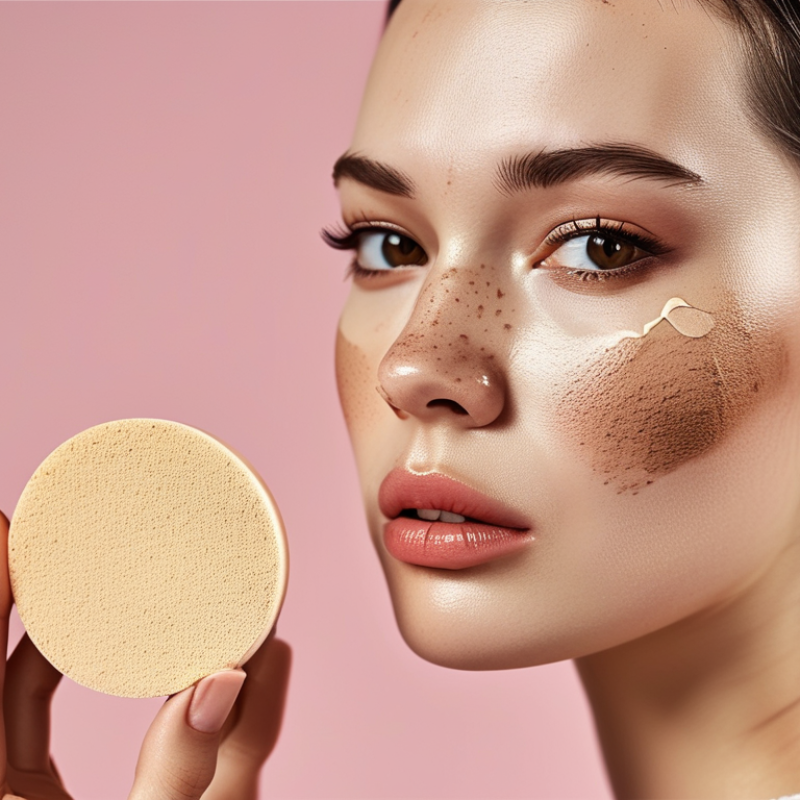
Why Does My Makeup Look Cakey When Using a Sponge?

What Causes Cakey Makeup When Using a Sponge?

Using a makeup sponge can create an airbrushed look, but sometimes results in cakey makeup. Several factors contribute to this issue. One primary cause is the amount of product applied. A 2020 study published in the International Journal of Cosmetic Science indicates that excessive product leads to an uneven finish. Sponges absorb some of the makeup, but applying too much results in thicker layers, which can emphasize texture.

Another significant factor is the sponge's dampness. A damp sponge can help in blending but might also introduce excess moisture, which can cause the makeup to separate. Research by the Journal of Cosmetic Dermatology revealed that applying foundation with a wet sponge can increase makeup slip, leading to an uneven surface appearance. This can make even quality foundations appear patchy or cakey.

Skin type also plays a crucial role. Those with dry skin may notice more flakiness with sponge application. A survey conducted by beauty industry experts found that 70% of participants reported difficulties with cakey makeup based on skin conditions. It's essential to choose hydration-rich products when using a sponge. Understanding these factors can help refine your makeup application, reducing the risk of a cakey finish.

Choosing the Right Sponge for Flawless Application

Choosing the right sponge is crucial for achieving a flawless makeup application. A good sponge can blend foundation seamlessly, reducing the dreaded cakey look. When using a sponge, the material and shape matter significantly. For instance, a high-density sponge absorbs less product. This means more foundation stays on your skin rather than soaking into the sponge.

Tip: Always dampen your sponge before use. This helps in achieving a more natural finish. A damp sponge expands, creating a softer texture for blending. Another aspect to consider is the shape of the sponge. An egg-shaped sponge can work well for larger areas, while a pointed tip is perfect for hard-to-reach spots.

Not all sponges give a perfect finish. You might notice uneven texture or patches if the sponge is too old or worn out. It is essential to clean your sponge regularly. Bacteria buildup can affect your skin as well as the finished look of your makeup. Remember, the right sponge can make a world of difference in your routine.

Impact of Different Sponge Types on Makeup Application

Techniques for Applying Foundation with a Sponge

Using a makeup sponge can sometimes lead to a cakey foundation look. To avoid this, you should focus on a few key techniques. Start with a well-prepped face. A good moisturizer or primer hydrates your skin, creating a smooth base. If your skin is dry, the sponge absorbs excess product, making it appear uneven.

When applying foundation, use a damp sponge. This technique helps the product blend seamlessly into your skin. Gently bounce the sponge on your face to push the foundation into your skin. Avoid dragging or rubbing, as this can disrupt your skin's texture. If you notice patches or clumps, it might be a sign that you're using too much product. Less is more.

Finally, consider your foundation formula. Some thicker formulations can lead to a heavier look when using a sponge. Testing different products can help you find the right balance. Monitor how your skin responds throughout the day. Reflection on your application technique and product choice is essential to achieve the flawless finish you desire.

Common Mistakes That Lead to Cakey Makeup

Using a sponge for makeup application can lead to a cakey finish if not done correctly. One common mistake is applying too much product at once. Heavy layers can easily accentuate wrinkles and uneven skin texture. Instead, start with a thin layer and build gradually. This approach allows for better blending and a more natural appearance.

Another mistake is using a dry sponge. A damp sponge helps to evenly distribute the product and prevents it from sitting heavily on the skin. Many people skip this step, thinking it will save time. However, a damp sponge will create a flawless canvas, minimizing the risk of that dreaded cakey look.

Pay attention to your skin type as well. Oily skin may need a mattifying primer, while dry skin benefits from a hydrating one. Neglecting this important step can lead to uneven coverage. Also, watch out for expired products. Old foundations can become thick and unmanageable, contributing to a cakey effect. Taking the time to assess these factors can lead to a more polished finish.

Why Does My Makeup Look Cakey When Using a Sponge? - Common Mistakes That Lead to Cakey Makeup

Mistake Description Solution
Using a Dry Sponge Applying makeup with a dry sponge can absorb too much product and create a thick layer. Dampen the sponge with water before use to ensure even application.
Not Setting Makeup Skipping setting powder can lead to makeup settling into fine lines and making it appear cakey. Use a translucent setting powder to lock in your makeup.
Layering Too Much Product Applying multiple layers of foundation can create a heavy look. Apply a thin layer and build coverage gradually if needed.
Using a Sponge for All Products Not all products are suitable for sponge application; some may need brushes for a smoother finish. Use brushes for cream products or thicker foundations.
Neglecting Skin Prep Skipping primer or moisturizer can lead to uneven texture and dryness. Always prep your skin with appropriate skincare products before makeup.

How to Fix Cakey Makeup After Application

Cakey makeup often arises due to improper application techniques and product choices. For those who prefer using a sponge, the wrong type can lead to excess product buildup. It’s essential to find a sponge that suits your foundation’s consistency. A damp sponge typically helps blend foundation more seamlessly. But if the sponge is too dry, it can absorb moisture and leave a cakey finish.

If you notice your makeup looking too heavy, there are ways to fix it. One effective method is to spritz a setting spray over your face. This can help melt the product into your skin, reducing the appearance of layers. Another tip is to gently tap the areas where the makeup looks thick. Using a clean sponge or your fingers can help blend out the excess without disturbing the underlying layers.

Additionally, consider your skincare routine. A hydrating primer can create a smoother canvas. Not moisturizing properly before makeup can also cause uneven textures. Pay attention to how your skin reacts to different products. Each face is unique, and what works for one person may not work for another. Experimenting with various techniques can lead to a more natural finish.

FAQS

: Why is choosing the right sponge important for makeup application?

: The right sponge helps blend foundation seamlessly and reduces the cakey look.

How should I prepare my sponge before use?

Always dampen your sponge before use to achieve a natural finish.

What shapes of sponges work best for different areas?

An egg-shaped sponge is great for larger areas. A pointed tip works well for hard-to-reach spots.

Can an old sponge affect my makeup?

Yes, an old or worn-out sponge can create uneven texture and patches.

How often should I clean my sponge?

Regular cleaning is essential to prevent bacteria buildup that can harm your skin.

What should I do to avoid cakey foundation?

Start with a well-prepped face and use a damp sponge for blending.

How do I apply foundation with a sponge?

Gently bounce the sponge on your skin, avoiding dragging or rubbing.

What if I notice patches or clumps in my makeup?

It may indicate you're using too much product. Remember, less is more.

How does the foundation formula affect application?

Thicker formulations may look heavier with a sponge. Test different products for the best results.

What should I reflect on to improve my makeup application?

Monitor your technique and the products you use throughout the day.

Conclusion

When wondering "why is my makeup looking cakey with a sponge," it's crucial to understand the factors contributing to this issue. Cakey makeup can arise from using the wrong sponge or improper application techniques. Selecting a high-quality makeup sponge designed for foundation can significantly enhance the finish. Moreover, the technique employed—whether dabbing or blending—plays a vital role in achieving a smooth look.

Common mistakes like applying too much product or skipping hydration can also lead to an uneven appearance. Fortunately, there are ways to fix cakey makeup post-application, such as using setting sprays or rehydrating the skin with facial mist. By being mindful of these aspects, one can enjoy a flawless makeup application that doesn't leave a cakey residue.

Oliver

Oliver

Oliver is a seasoned marketing professional with a wealth of expertise in driving brand awareness and engagement. With a deep understanding of our company's product offerings, he consistently delivers high-quality content that enriches our professional blog. His insights not only shed light on......