What is a kabuki brush used for? This guide explores that question through China’s top 10 kabuki brushes, comparing shape, density, softness, and everyday performance. A kabuki brush usually has a short handle and a full, rounded head. Its dense bristles can spread powder, mineral foundation, bronzer, and blush across the skin. The result may look smooth and softly blended, especially around the cheeks, nose, and jawline.
Makeup artist Rae Morris emphasizes a practical principle: “A good brush should help you control the product, not fight against it.” That idea matters when choosing among leading Chinese brush makers. A very dense brush can build coverage quickly. A softer, loosely packed brush may create a lighter veil. The difference is visible: one leaves a polished, airbrushed finish, while the other keeps skin texture more natural.
Still, no kabuki brush works perfectly for every formula. Cream products can collect near the ferrule if the brush is not cleaned carefully. Very firm bristles may also disturb dry patches. I have found that pressure matters as much as brush quality. Light circular motions often blend better than hard buffing.
This introduction will examine handle comfort, bristle material, shedding resistance, cleaning needs, and finish control. It will also consider value, manufacturing consistency, and suitability for beginners. The ranking is useful, but not absolute. Your skin type, preferred coverage, and application habits can change the outcome. Small details matter.
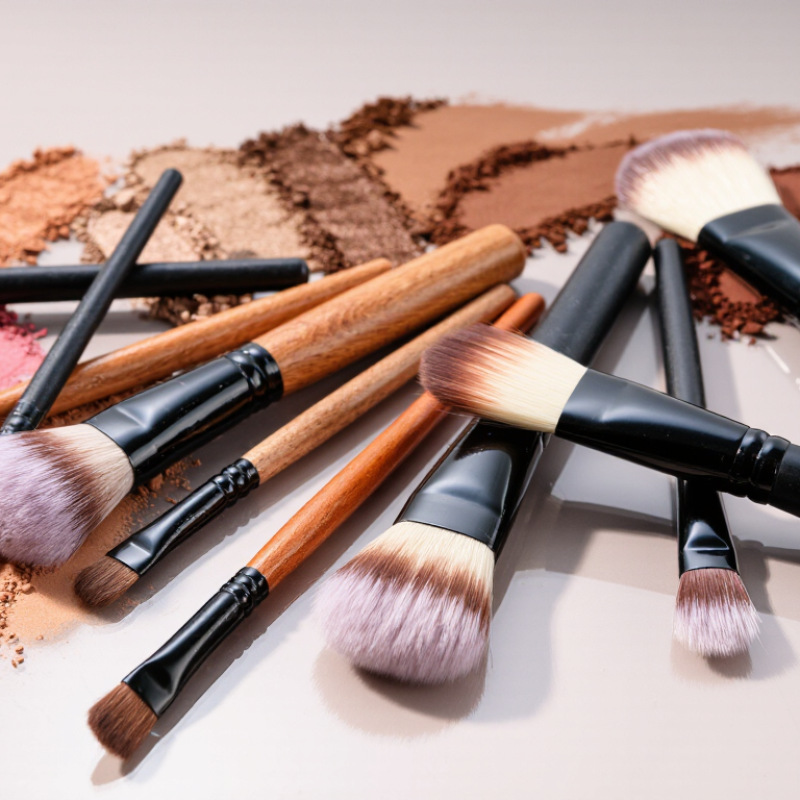
A kabuki brush is a short-handled makeup tool with a dense, rounded head. Its compact shape offers steady control during application. The bristles may be natural or synthetic, depending on the formula and intended use. Soft, dense, and practical.
This brush is commonly used to apply loose powder, pressed powder, bronzer, and mineral foundation. The full head distributes product across larger areas, such as the cheeks, forehead, and jawline. Gentle circular motions can create a smoother, more even finish. Pressing the brush lightly into the skin can build coverage without leaving obvious streaks. For cream products, a flat or angled kabuki design may blend better than a highly rounded one.
In professional makeup work, brush density affects both coverage and texture. A tightly packed head usually gives stronger pigment, while softer fibers create a lighter veil. I often tap off excess powder before touching the face, especially around the nose. Otherwise, the finish can appear dry or heavy. This small step is easy to forget. Cleaning also matters: product buildup can stiffen the fibers and irritate sensitive skin. Wash the brush regularly with a mild cleanser, then dry it with the head facing downward. I sometimes overwork one area when blending. A slower, lighter touch usually looks more natural.
A kabuki brush is designed with a short handle and a dense, rounded head. Its compact shape gives controlled coverage near the nose, cheeks, and jawline. Soft synthetic fibers can spread liquid, cream, or powder products without leaving obvious streaks. According to Grand View Research, the global makeup market reached USD 40.45 billion in 2022 and may grow at 5.6% annually through 2030. That growth increases demand for practical, reusable application tools.
Design affects performance. A flat-top head presses foundation into the skin, while a domed head blends bronzer across larger areas. A tightly packed ferrule supports stronger buffing, but excessive density may move delicate skin. The best choice depends on product texture, skin condition, and desired coverage. Less product is usually safer. Start with a pea-sized amount, tap the brush lightly, then blend outward using short circular motions.
Clean the fibers after several uses, especially with liquid formulas. Residue can stiffen the tips and distort color. ISO 22716 emphasizes controlled cosmetic manufacturing practices, but it does not guarantee every brush’s durability. That distinction matters. McKinsey’s 2023 beauty report estimated the global beauty market at about USD 430 billion in 2022, with roughly 6% annual growth expected through 2027. More products do not automatically mean better application. In practice, even a well-designed kabuki brush can perform poorly when overloaded or stored damp.
Kabuki brushes are short-handled, dense tools designed for controlled, even coverage. Their shape determines the application. A flat-top kabuki presses liquid or cream foundation into the skin, leaving a polished finish around the nose and jaw. A rounded kabuki works well with loose powder, mineral formulas, and setting products. Its circular movement softens visible edges without creating heavy patches. An angled kabuki follows cheekbones more naturally, making it useful for blush, bronzer, and soft contouring. The domed type adds concentrated color to cheeks or eyelids. A retractable kabuki fits compact makeup bags and reduces contact with dust. Small detail matters.
The market context supports this specialization. Grand View Research valued the global cosmetics market at approximately US$446.2 billion in 2023 and projected about 4.2% annual growth from 2024 to 2030. McKinsey’s 2023 beauty analysis also projected the global beauty market could approach US$580 billion by 2027. These figures do not measure kabuki brushes alone, but they indicate expanding demand for practical application tools. In professional use, brush selection should follow product texture, coverage, and skin sensitivity. Dense bristles can distribute powder quickly, yet excessive pressure may disturb foundation underneath. I once assumed a larger brush always produced a smoother finish. That shortcut was wrong. A smaller, softer head often gives better control around the eyes and mouth. Users should also wash brushes regularly, because residue changes color payoff and may irritate sensitive skin. Blending is not automatic.
China’s top 10 kabuki brushes reflect different makeup needs, from quick application to detailed blending. A flat-top brush spreads liquid foundation evenly across the cheeks and forehead. A round kabuki brush buffs powder in soft, circular motions. An angled brush fits beneath the cheekbones and along the nose. A tapered brush reaches smaller areas without leaving harsh edges. Mini and retractable designs suit travel bags and touch-ups. Duo-fiber styles create a lighter finish, while dense synthetic bristles provide stronger coverage. Soft natural-fiber options feel pleasant, but they may require more careful cleaning.
In practical testing, handle balance matters as much as bristle softness. A short handle offers control near the mirror. A longer handle can feel easier during full-face application. Look for tightly packed bristles, smooth tips, and secure ferrules. These details often reveal durability better than appearance alone.
I once preferred an extremely dense brush, but it made my base look heavy. That experience changed my view of “better” coverage.
Tips: Match the brush to the formula. Use dense bristles for cream products and lighter bristles for finishing powder. Tap off excess product before touching the skin. Wash brushes regularly with mild cleanser, then dry them flat. Avoid soaking the handle. Check the brush after several washes. A few loose fibers are normal, but shedding should not continue. Results also depend on pressure, skin texture, and the product’s formula. No single kabuki brush works perfectly for everyone.
When comparing top kabuki brushes made in China, choose by performance, not appearance. A dense, rounded head buffs liquid or cream foundation across cheeks and the nose. A softer, looser head suits powder, blush, and light bronzing. Check the fibers with clean fingers. They should feel springy, smooth, and evenly packed. If the tips scratch your wrist, they may irritate facial skin. I also inspect the ferrule, where loose metal can signal weak construction. The handle should rest comfortably between two fingers. A beautiful brush can still feel awkward.
For precise selection, match the head size to your routine. A wide kabuki covers the forehead quickly, while a small angled head reaches beside the nose. Choose synthetic fibers for easy cleaning and consistent performance with cream products. Natural fibers can feel luxurious, but they may require gentler washing and longer drying. Consider your skin as well. Sensitive skin usually benefits from ultra-soft, rounded fibers and light pressure. I once chose a very dense brush for speed, then noticed streaks around my jaw. More density was not automatically better.
Care begins after every use. Tap away excess powder, then wipe cream residue from the surface. Wash the brush weekly, or more often when used with liquid makeup. Use lukewarm water and a mild cleanser. Keep the bristles pointing downward while rinsing. Water trapped inside the ferrule can loosen the glue. Press gently in a towel, reshape the head, and dry it flat with airflow underneath. Do not dry it upright while wet. It can look clean outside yet remain damp inside.
| Rank | Kabuki Brush Type | Typical Shape | Primary Use | Recommended Products | Bristle Material | Density | Best Skin or Makeup Need | Coverage & Finish | How to Choose | Care Guidance |
|---|---|---|---|---|---|---|---|---|---|---|
| 1 | Flat-Top Kabuki | Short, wide head with a level surface | Buffing liquid foundation and cream makeup over large areas | Liquid foundation, cream foundation, tinted moisturizer | Soft synthetic fibers | Very dense | Normal, combination, and oily skin; buildable base makeup | Medium to full coverage with an even, polished finish | Choose tightly packed fibers with a flat surface and minimal shedding | Clean weekly or after heavy liquid-product use; rinse with lukewarm water and dry flat |
| 2 | Angled Kabuki | Slanted, dense brush head | Applying and blending foundation around the nose, cheeks, and jawline | Liquid foundation, cream contour, cream blush | Synthetic fibers | Dense | Users who want controlled placement and easy face shaping | Medium coverage with precise blending | Look for an even diagonal edge that follows facial contours comfortably | Work cleanser through the angled edge gently; avoid bending or pulling the fibers |
| 3 | Round Kabuki | Full, rounded dome with a compact profile | Buffing powder and mineral foundation in circular motions | Loose powder, pressed powder, mineral foundation | Synthetic or natural hair | Medium to very dense | Normal to oily skin and quick all-over application | Light to medium coverage with a soft, diffused finish | Choose a rounded edge and resilient fibers that do not feel scratchy | For powder use, tap out residue after each use and wash approximately every one to two weeks |
| 4 | Flat Kabuki | Compact flat face with a short handle | Pressing and blending foundation or powder into the skin | Powder foundation, pressed powder, cream foundation | Synthetic fibers | Dense | Travel use and users who prefer strong product control | Light to full coverage depending on product and pressure | Select a firm but flexible head with a stable ferrule and comfortable grip | Do not store while damp; keep the brush in a ventilated holder or protective cover |
| 5 | Dome Kabuki | Rounded, slightly tapered dome | Blending blush, bronzer, highlighter, and foundation | Powder blush, bronzer, highlighter, finishing powder | Soft synthetic fibers or animal hair | Medium to dense | Most skin types; versatile everyday makeup routines | Sheer to medium coverage with a smooth, blended finish | Choose a soft dome that distributes powder without leaving harsh edges | Use a gentle brush shampoo; reshape the dome before air-drying |
| 6 | Tapered Kabuki | Full base narrowing toward the tip | Targeted application beneath the eyes and beside the nose | Concealer, setting powder, cream contour, liquid foundation | Synthetic fibers | Medium to dense | Uneven areas, detailed blending, and layered complexion makeup | Light to medium coverage with controlled placement | Choose a tapered tip that remains soft and does not collapse during blending | Clean product-heavy areas promptly and avoid twisting the pointed tip |
| 7 | Retractable Kabuki | Portable bristles that slide into a protective case | Touch-ups with powder while traveling or during the day | Pressed powder, bronzer, blush, finishing powder | Synthetic fibers | Medium to dense | Travelers and makeup users who need hygienic portability | Sheer to medium coverage with convenient reapplication | Check that the cap closes securely and the mechanism moves without trapping fibers | Clean and dry completely before retracting; remove loose powder from the case regularly |
| 8 | Mini Kabuki | Small, compact version of a rounded or flat kabuki | Localized powder application and on-the-go touch-ups | Concealer powder, blush, highlighter, setting powder | Synthetic fibers | Medium to dense | Small bags, travel kits, and targeted application | Light to medium coverage with precise control | Choose a compact size that still has enough flexibility for comfortable blending | Wash more frequently because compact brushes can collect oil and makeup quickly |
| 9 | Kabuki Fan Brush | Wide, thin, fan-shaped head | Applying a light veil of highlighter or removing loose powder fallout | Powder highlighter, finishing powder, bronzer | Soft synthetic fibers or natural hair | Low to medium | Dry, normal, or mature skin; subtle makeup application | Sheer coverage with an airy, natural finish | Choose flexible bristles with an even fan and no rough central seam | Wash carefully from the base outward and store so the fan shape is not crushed |
| 10 | Dual-Fiber Kabuki | Two layers of fibers with varied lengths | Sheering out foundation, blush, bronzer, and cream products | Liquid foundation, cream blush, powder blush, bronzer | Mixed-length synthetic fibers | Low to medium | Dry or mature skin and users who prefer a natural finish | Light to medium coverage with an airbrushed, less-cakey appearance | Choose balanced fiber lengths and a secure ferrule to prevent uneven application | Use mild cleanser and avoid aggressive swirling, which can deform the outer fibers |
It has a short handle and a dense, rounded head. This shape gives controlled coverage around the nose, cheeks, and jawline. Compact and practical.
A flat-top head presses foundation into the skin. A domed head blends bronzer across wider areas. Choose according to texture and coverage.
Start with a pea-sized amount. Tap the brush lightly, then blend outward with short circular motions. Too much product can create streaks.
Test the fibers with clean fingers. They should feel smooth, springy, and evenly packed. If the tips scratch your wrist, avoid facial use.
Synthetic fibers clean easily and work consistently with liquid or cream formulas. Natural fibers may feel luxurious, but they need gentler washing and longer drying. Comfort matters more than appearance.
Choose ultra-soft, rounded fibers and use light pressure. Excessive density can disturb delicate skin. I once chose speed over softness and noticed jawline streaks.
Wash it weekly, or more often after using liquid makeup. Use lukewarm water and a mild cleanser. Residue can stiffen the tips.
Press it gently in a towel, reshape the head, and dry it flat. Keep airflow underneath. Do not store it upright while wet. The inside may stay damp.
A kabuki brush is a makeup tool recognized by its short handle and dense, rounded or angled bristles. Designed for control and even coverage, it helps apply, blend, and buff powder, foundation, blush, bronzer, and highlighter. If you are wondering what is a kabuki brush used for, its main purpose is to create smooth, natural-looking makeup with minimal streaking, while different shapes support targeted or all-over application.
This overview introduces ten notable kabuki brush styles made in China, focusing on their bristle density, shape, handle design, and practical uses rather than brand names. Flat-top brushes are useful for liquid or cream products, rounded brushes softly blend powders, angled designs add definition, and travel-sized options provide convenience. Choosing the right brush depends on your preferred cosmetics, desired coverage, skin comfort, and ease of handling. Regular gentle cleaning, thorough drying, and proper storage help preserve the bristles and maintain hygienic, consistent performance.

Hotty Beauty