How to Choose the Best Makeup Brush for Liquid Foundation?

Time:2026-08-11 Author:Amelia
0%

Choosing the right makeup brush for liquid foundation is crucial for achieving a flawless look. A study by the Professional Beauty Association revealed that 74% of makeup users prefer tools that enhance blending and application efficiency. As expert makeup artist Laura Sanchez states, “The perfect brush can make or break your foundation.” This insight underscores the importance of selecting the appropriate brush for individual needs.

Understanding how to choose the right makeup brush for liquid foundation involves consideration of several factors. Brush type, material, and shape play significant roles in the application process. For example, synthetic bristles are ideal for liquid formulas, offering better fluid distribution. It’s essential to try different brushes to evaluate which one feels best during application.

However, many users struggle with brush selection. Some may overspend on trending brands without understanding their specific needs. Reflecting on personal experience can guide better choices. Embracing the learning curve when selecting brushes can lead to more successful makeup applications. This journey towards finding the ideal brush is as vital as the products used.
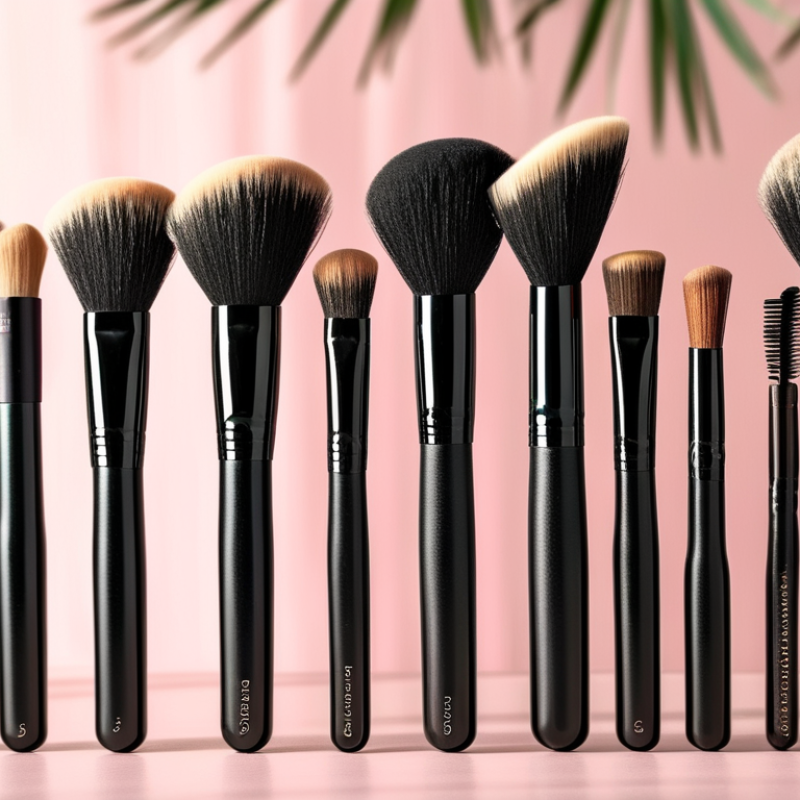
How to Choose the Best Makeup Brush for Liquid Foundation?

Understanding Different Types of Makeup Brushes for Liquid Foundation

When selecting a makeup brush for liquid foundation, understanding the various types is crucial. The right brush can significantly affect your finish. For example, synthetic bristle brushes are popular due to their ability to work well with liquid formulas. According to a 2022 beauty industry report, 73% of makeup artists prefer synthetic brushes for liquid products because they offer a smoother application.

Another essential type is the sponge applicator. Sponges, like beauty blenders, are favored for their ability to create a dewy finish. They absorb excess product, which prevents caking. A study highlighted that around 55% of users noticed improved blending with sponges compared to traditional brushes. However, sponges require good hygiene practices, as they can harbor bacteria if not cleaned regularly.

Flat-top brushes are another option, though not always ideal for everyone. While they deliver a full-coverage look, the application might feel heavy for some. Many users reported a preference for lighter coverage, leading to an exploration of different techniques. Remember, every face is unique, and what works for one might not suit another. Experimenting is key to finding your perfect match.

Key Features to Consider When Choosing a Makeup Brush

Choosing the right makeup brush for liquid foundation is essential. Not all brushes are created equal. Look for key features that can enhance your application technique and overall results.

Softness is important. A brush with dense bristles can distribute liquid foundation evenly. However, too much density may lead to a blotchy finish. Consider the bristle type as well. Synthetic fibers work well with liquid products. They absorb less product, allowing for better application.

Check the size of the brush head. A larger head covers more surface area but may miss detailed areas. A smaller brush works well for precision. Think about your usual application style. Do you prefer fast coverage or careful blending? Consider your face shape too. Different brushes can suit different contours, affecting how the foundation settles.

Lastly, always trust your instincts. A brush might look perfect but feel awkward in hand. Test different options to find what feels right for you. It's a personal journey, and reflection is key to mastering your technique.

Comparing Natural vs. Synthetic Brushes for Liquid Foundation

When choosing a makeup brush for liquid foundation, the material is key. Natural bristles, often made from animal hair, offer a unique softness. They can blend foundation beautifully, giving a flawless finish. However, they may absorb more product. This can lead to less coverage and the need for more product over time.

On the other hand, synthetic brushes are made from man-made fibers. They tend to be firmer, which can provide better control during application. Synthetic brushes do not absorb liquid foundation as much, so they retain more product. This can result in a more economical use. However, they may feel less soft against the skin.

Ultimately, many makeup enthusiasts find that a combination of both types works best. One might use a natural brush for a gentle touch, and a synthetic brush for precision. Learning through experience is essential. Don't be afraid to try different brushes to see which feels right for you. Each choice has its benefits and drawbacks. Reflecting on your own makeup routine can lead to finding the perfect brush.

Foundation Brush Comparison: Natural vs. Synthetic

This chart compares the effectiveness of natural and synthetic brushes for applying liquid foundation based on user satisfaction ratings and brush price range.

How Brush Shape Affects Application of Liquid Foundation

Choosing the right brush shape is crucial for applying liquid foundation effectively. Different shapes offer various benefits and can dramatically change the finish of your makeup. According to a survey by the Professional Beauty Association, 72% of makeup artists believe that brush shape impacts the application technique and final look.

Flat brushes are excellent for applying foundation evenly, providing a smooth canvas. Their firm bristles allow for quick coverage. Conversely, oval-shaped brushes mimic the shape of your fingers and are ideal for a more blended, airbrushed effect. These brushes can easily reach the contours of your face, ensuring no area is left untouched.

Tips: Experiment with different shapes to find your best match. A round brush is perfect for building coverage on larger areas. Don’t shy away from trying an angled brush for precision around the nose and eyes.

Brush maintenance is also essential. According to a report from the American Academy of Dermatology, dirty brushes can cause breakouts, affecting skin health. Clean your brushes regularly with gentle soap to maintain their shape and hygiene. Remember, the right shape can enhance not just your application, but your overall makeup experience.

How to Choose the Best Makeup Brush for Liquid Foundation? - How Brush Shape Affects Application of Liquid Foundation

Brush Shape Application Style Coverage Level Best For Skin Type
Flat Foundation Brush Wiping and stroking Light to Medium Normal to Oily
Dome Brush Buffing and swirling Medium to Full All Skin Types
Stippling Brush Stippling and dabbing Light to Medium Dry to Combination
Sponge Blender Dabbing and blending Full All Skin Types
Tapered Brush Precision application Medium to Full Sensitive Skin

Proper Care and Maintenance of Your Makeup Brushes

Proper care and maintenance of your makeup brushes are crucial for achieving flawless application of liquid foundation. Studies show that approximately 70% of women neglect regular cleaning of their brushes. This negligence can lead to breakouts and uneven makeup application due to the buildup of bacteria and product residue. Experts recommend cleaning your brushes at least once a week to maintain hygiene and performance.

To clean your brushes effectively, use a gentle soap or brush cleaner. Swirl the bristles in lukewarm water, then reshape and lay them flat to dry. Avoid soaking the ferrule, as this can weaken the adhesive and lead to shedding. Remember, a well-maintained brush enhances not just the outcome but also your skin's health.

Tip: Consider using a dedicated brush cleaning mat. It allows for thorough cleaning and quick drying, reducing the time spent on maintenance. Additionally, rotate your brushes. This extends their lifespan, meaning you can enjoy the benefits of high-quality tools even longer. In conclusion, keeping your brushes clean not only improves your makeup results but also contributes to your overall skin health.

FAQS

: What should I consider when choosing a makeup brush for liquid foundation?

: Look at features like softness, bristle type, and brush head size for better application.

Why is brush softness important?

Soft brushes with dense bristles can help distribute foundation evenly, avoiding a blotchy finish.

What’s the difference between natural and synthetic brushes?

Natural brushes blend nicely but absorb more product. Synthetic brushes retain more product but may feel less soft.

How does the brush shape affect foundation application?

Different shapes provide distinct benefits, changing your makeup finish. Flat brushes offer even coverage, while oval brushes blend better.

Should I use just one type of brush?

No, a mix of natural and synthetic brushes often works best for different applications and effects.

How should I maintain my makeup brushes?

Regular cleaning with gentle soap is vital for hygiene. Dirty brushes can cause skin breakouts.

Why is it important to test brushes before buying?

A brush may look good but feel awkward in hand. Personal comfort is essential for effective application.

Can the size of the brush head impact my makeup?

Yes, larger heads cover more area, while smaller brushes allow for precise application in detailed areas.

How can I reflect on my brush choices?

Take time to think about your application style and how each brush feels during use.

Is experience important in choosing the right brush?

Absolutely. Experiment with various brushes to find what truly enhances your makeup routine.

Conclusion

Choosing the right makeup brush for liquid foundation is essential for achieving a flawless finish. Understanding the different types of makeup brushes is the first step; options include flat brushes, round brushes, and beauty sponges, each providing unique application methods. Key features to consider are bristle density, softness, and shape, which all contribute to the ease of application and blending.

When comparing natural and synthetic brushes, it's important to note that synthetic brushes often excel in applying liquid products due to their non-porous fibers, while natural brushes may offer a softer touch. The shape of the brush can also greatly impact application, with certain designs promoting better coverage in hard-to-reach areas. Lastly, proper care and maintenance of your brushes are vital to ensure longevity and hygiene, keeping your makeup routine as effective and safe as possible.

Amelia

Amelia

Amelia is a seasoned marketing professional with a wealth of expertise in our company’s core offerings. With an unwavering passion for driving growth and innovation, she plays a pivotal role in shaping our marketing strategies and enhancing brand visibility. A key aspect of her responsibilities......