Why Do Dirty Makeup Brushes Cause Acne 2026 Best Guide?

Time:2026-10-22 Author:Mason
0%

Makeup brushes touch your skin every day, yet they often receive less care than your phone screen. Foundation, oil, sweat, dead skin cells, and bathroom dust can gather between their bristles. A damp brush may also become an inviting place for microorganisms. This raises an important question: why do dirty makeup brushes cause acne?

The answer is not always simple. Dirty tools can transfer excess oil and irritating residue onto pores. Repeated friction may weaken the skin barrier, especially when bristles become stiff with dried product. Some people notice small bumps along the cheeks, jawline, or forehead after using an unwashed brush. However, brushes are not the only possible cause. Hormones, skincare products, stress, and genetics may also influence breakouts.

This 2026 guide examines the connection between brush hygiene and acne with practical, evidence-informed advice. It explains how residue builds up, how often different brushes need cleaning, and which washing habits may damage bristles or irritate skin. Dermatologists generally recommend gentle cleansing and thorough drying, rather than harsh disinfectants or aggressive scrubbing. That detail matters.

A clean brush is not a guaranteed acne cure. Still, it can reduce one preventable source of irritation. I have also learned that “clean” does not always mean completely risk-free. A brush can look fresh while holding product deep inside. This guide encourages careful observation, realistic expectations, and professional medical advice when breakouts persist, become painful, or leave lasting marks.
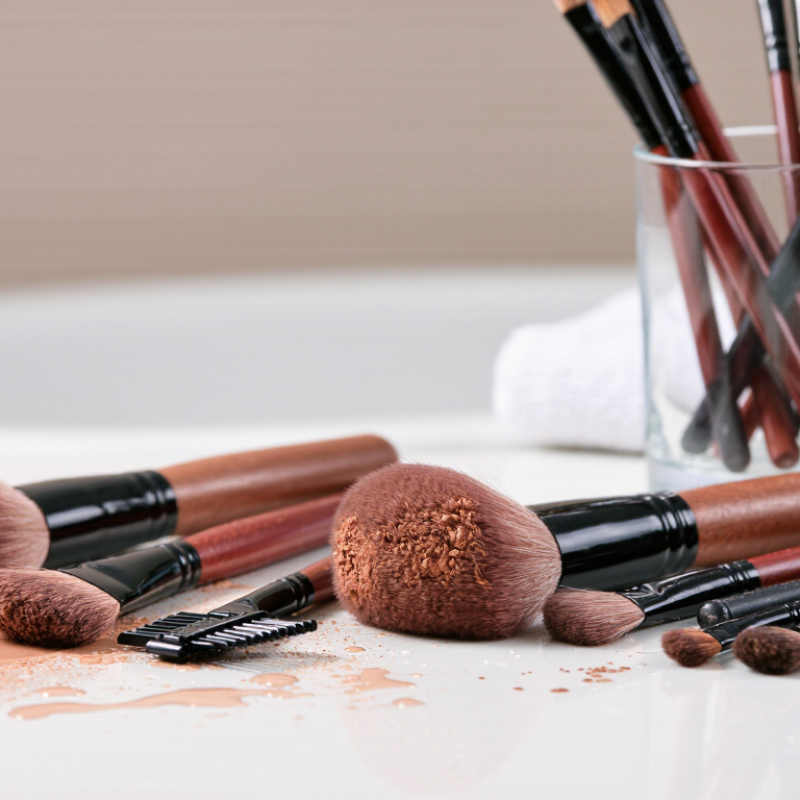
Why Do Dirty Makeup Brushes Cause Acne 2026 Best Guide?

How Dirty Makeup Brushes Transfer Acne-Causing Bacteria

Dirty makeup brushes can act like small, damp transport tools for acne-causing bacteria. Each sweep collects oil, dead skin, sweat, and leftover product. When the brush touches your cheek again, that mixture returns to your pores. Friction may also irritate the skin barrier. Irritated skin can become more reactive, especially around the jaw and hairline. Bacteria are not the only cause of acne. Hormones, cosmetics, stress, and genetics also matter. Still, a grimy brush adds an avoidable source of contamination.

A makeup brush rarely looks dangerous under ordinary room light. Feel the bristles, though. They may feel sticky, clumped, or slightly sour. Those signs suggest buildup and trapped moisture. In dermatology, acne is not diagnosed from one dirty tool alone. Persistent, painful, or scarring breakouts deserve professional assessment. A quick rinse may remove color while leaving oils inside the ferrule. That imperfect habit deserves a second look.

Tips:

Wash frequently used brushes weekly, and clean foundation tools more often. Use lukewarm water and a gentle cleanser. Rinse thoroughly. Keep water away from the handle joint. Press out moisture with a clean towel. Dry brushes flat, with bristles extending beyond the counter edge. Never share unwashed tools. Replace brushes when bristles stay rough, shed, or smell after cleaning. Wash your hands before application, too. If acne worsens, seek qualified medical advice.

How Oil, Dead Skin, and Product Residue Build Up on Brushes

Dirty makeup brushes can become small reservoirs for oil, dead skin cells, sweat, and leftover foundation. Each face touch transfers sebum and flakes into the bristles. Product residue then forms a sticky film around them. It can trap microbes and keep the brush damp longer. During the next application, that mixture returns to pores and irritated skin. I once blamed a new moisturizer, but an old concealer brush was the likelier trigger. The pattern was not perfect. Skin problems rarely have one cause.

Friction can worsen the problem. Stiff, clogged bristles drag across the cheeks and spread residue unevenly. This may aggravate existing inflammation, especially around the nose and jawline. Acne also involves oil production, dead-cell buildup, hormones, and genetics. A dirty brush is a possible contributor, not automatic proof.

Clean brushes regularly with a gentle cleanser and lukewarm water. Work the cleanser through the bristles, rinse until the water runs clear, and dry them fully in open air. Avoid soaking the handle, because trapped moisture can weaken the adhesive. Sponges need close attention too. Their damp interiors can hold product and skin debris. Weekly cleaning is a practical starting point, but oily skin or daily makeup may require more frequent washing. Replace tools when they remain stained, smell unusual, or feel rough after cleaning.

How Clogged Pores and Skin Inflammation Develop

Dirty makeup brushes can turn a clean routine into a daily source of pore-clogging residue. Oil, dead skin cells, pigment, and leftover product collect between the bristles. When the brush touches your face, this mixture may spread across the skin and enter hair follicles. The American Academy of Dermatology reports that acne affects up to 50 million Americans annually, showing how common this inflammatory condition is.

Clogged pores create a sealed, warm space. Sebum and dead cells build inside the follicle, while Cutibacterium acnes can multiply in that environment. The immune system reacts, causing redness, swelling, and tenderness. A contaminated brush may also carry sweat and microorganisms from previous applications, especially when stored damp. Not every blemish comes from a brush. Hormones, stress, skincare products, and friction can play larger roles.

Still, the detail is easy to miss. A 2022 survey from the American Academy of Dermatology found that many people do not clean makeup tools as often as dermatologists recommend. A brush used on Monday may still hold foundation by Friday. That residue can feel invisible. It is not harmless by default. Cleaning tools regularly and allowing them to dry fully can reduce buildup, although perfect hygiene does not guarantee clear skin. My own assumption that “clean-looking” bristles were safe was probably too optimistic.

Which Skin Types Face Greater Acne Risks

Why Do Dirty Makeup Brushes Cause Acne 2026 Best Guide?

Oily and acne-prone skin usually faces greater risks from dirty makeup brushes. Excess sebum can coat bristles, trapping dead skin cells, pigment, and microbes. Each application may press that mixture into pores. A common bathroom mistake is storing a damp brush in a closed cup. Warmth and moisture create better conditions for microbial growth. Yet a brush is not automatically an acne cause. Hormones, genetics, stress, and occlusive cosmetics often matter more. The American Academy of Dermatology reports that acne affects up to 50 million Americans annually. It also states that about 85% of people aged 12–24 experience acne.

Sensitive skin may react differently. Repeated contact with old product residue can cause friction, redness, or burning. A weakened skin barrier may then become more inflamed. People using topical retinoids or exfoliating acids can be especially vulnerable. Their skin may feel tight, even when it produces oil. That combination is easy to misread. Dry skin is not always safer. Flaking can collect inside brush fibers and increase rough application.

The Global Burden of Disease Study identifies acne as one of the world’s most prevalent skin conditions. However, population data cannot prove that unwashed tools caused one person’s breakout. Dermatology guidance generally supports cleaning reusable applicators regularly and replacing damaged ones. Wash brushes after heavy cream-product use, then dry them completely in open air. Do not share them. Evidence is still imperfect. Individual skin responses vary, and “dirty” is not a precise medical diagnosis.

How to Clean, Dry, and Replace Makeup Brushes Safely

Dirty makeup brushes can carry oil, dead skin, cosmetic residue, and bacteria back onto your face. This may worsen clogged pores and acne, especially when brushes touch irritated skin. I once ignored a slightly greasy foundation brush and noticed more bumps along my cheek. That mistake changed my cleaning routine.

Wash frequently used brushes every seven to ten days. Clean concealer and foundation brushes more often if they look damp or heavily coated. Use lukewarm water and a gentle, fragrance-free cleanser. Keep the bristles pointing downward. Water trapped inside the handle can loosen the glue. Rinse until the water runs clear. Do not scrub aggressively, because rough movement can damage soft fibers and irritate skin.

Dry them carefully. Press out excess water with a clean towel, then lay brushes flat near moving air. Avoid closed drawers, radiators, and direct hot sunlight. They must be completely dry before storage. I still occasionally underestimate drying time, especially during humid weather. That is worth correcting. Replace a brush when bristles shed, smell unusual, feel rough, or no longer return to shape. A cracked handle can also collect moisture. Never share brushes, and wash your hands before handling them. Skin professionals commonly recommend these habits, but persistent acne needs individual medical advice, not just cleaner tools.

FAQS

How can a dirty makeup brush contribute to clogged pores?

Oil, dead skin, pigment, and old product can collect between bristles. The brush may press this mixture into hair follicles. Not always.

Does every breakout come from an unwashed brush?

No. Hormones, genetics, stress, friction, and heavy cosmetics may play larger roles. A dirty brush is one possible contributor, not proof.

Which skin types may be more vulnerable?

Oily or acne-prone skin can trap more residue. Sensitive or irritated skin may develop redness and burning from friction. Dry skin is not automatically safer.

How often should frequently used brushes be washed?

Wash them every seven to ten days. Clean foundation or concealer brushes sooner when they look damp or heavily coated. Use judgment.

What is a gentle cleaning method?

Use lukewarm water and a fragrance-free cleanser. Keep bristles downward, rinse until clear, and avoid aggressive scrubbing. Gentle is enough.

How should makeup brushes be dried?

Press out water with a clean towel. Lay brushes flat near moving air. Store them only after they are completely dry. Dry fully.

When should a makeup brush be replaced?

Replace it when bristles shed, smell unusual, feel rough, or lose their shape. A cracked handle may also hold moisture. That detail matters.

Can cleaning brushes guarantee clear skin?

No. Regular cleaning may reduce residue and microbial buildup, but it cannot prevent every blemish. I once trusted clean-looking bristles too much. That assumption needed correction.

Conclusion

Dirty makeup brushes can become a hidden source of skin problems, but why do dirty makeup brushes cause acne? With repeated use, brushes collect oil, dead skin cells, sweat, dust, and leftover makeup. These materials create an environment where acne-causing bacteria can remain and transfer back to the skin. Each application may spread bacteria and residue across the face, especially when brushes are shared or used on already irritated areas. As buildup mixes with natural skin oil, it can block pores, trigger inflammation, and contribute to blackheads, whiteheads, and breakouts.

People with oily, acne-prone, sensitive, or combination skin may face greater risks because their pores can become congested more easily. To reduce these problems, clean brushes regularly with a gentle cleanser, rinse them thoroughly, and let them dry completely in a well-ventilated place with the bristles pointing downward or resting safely. Avoid storing damp brushes in closed containers, and replace brushes when the bristles become damaged, permanently stained, or difficult to clean. Consistent hygiene helps support clearer, healthier-looking skin.

Mason

Mason

Mason is a seasoned marketing professional with a deep expertise in the company's offerings and a passion for driving brand awareness. With a strong background in digital marketing strategies, he has an innate ability to connect with diverse audiences and effectively communicate product benefits.......