2026 Top How to Fix Misshapen Makeup Brushes After Washing

Time:2026-10-20 Author:Amelia
0%

Makeup brushes are small tools, yet their shape controls product placement, blending, and skin contact. After washing, water can soften the ferrule, loosen adhesive, and bend damp bristles against a towel. The problem is common. It is also easy to worsen.

McKinsey’s 2023 beauty market analysis projected global beauty sales could approach $580 billion by 2027. Circana’s 2024 U.S. beauty reporting also showed continued strength in prestige cosmetics. These figures suggest that brush care matters within a growing, investment-heavy beauty routine. The U.S. Food and Drug Administration advises keeping cosmetic tools clean and preventing contamination, although it does not prescribe one universal washing schedule. That distinction matters. Clean does not always mean properly dried.

This guide explains how to fix misshapen makeup brushes after washing without damaging their fibers or handle. It follows practical brush-restoration methods used by professional makeup artists and cosmetic educators. You will learn how to reshape individual bristles, remove excess moisture, and dry brushes in a position that protects the ferrule. A cool, ventilated space usually works better than direct heat. A clean towel helps, but aggressive rubbing can create more frizz. Small details matter.

Not every brush can return to its original form. Some damage is permanent. That is frustrating. Still, careful reshaping can rescue many brushes before replacement becomes necessary. The process also encourages a useful question: did the cleaning method protect the brush, or merely remove visible makeup?
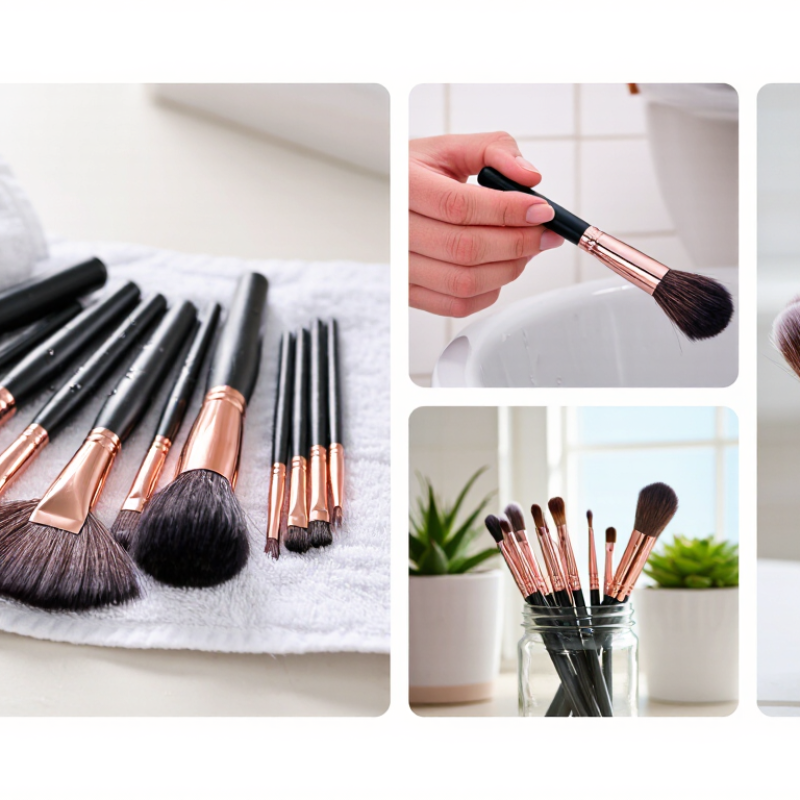
2026 Top How to Fix Misshapen Makeup Brushes After Washing

Identify the Cause of Makeup Brush Deformation After Washing

Misshapen Makeup Brushes After Washing: Identify the Cause

A brush rarely changes shape because of water alone. The common causes are heat, harsh cleanser, pressure, and slow drying. Hot water can soften adhesive near the ferrule, the metal section holding the bristles. Strong detergents may remove natural oils from animal hair or weaken synthetic fibers. A 2024 report from Grand View Research estimates the global cosmetics market will keep expanding through 2030. More products mean more brush washing, but not necessarily better washing.

Shape also changes when bristles dry against a sink, towel, or narrow cup. Wet fibers remember that pressure. Cosmetic hygiene guidance from the U.S. Food and Drug Administration advises keeping makeup tools clean and dry, while ISO 17516 sets a general cosmetic microbial limit of 1,000 CFU per gram or milliliter. A brush is not a cosmetic formula, yet the principle matters: damp storage encourages contamination.

The repair depends on the damage. Rinse with lukewarm water, then press excess moisture gently with a clean towel. Do not twist the head. Reshape the bristles with your fingers and dry the brush horizontally, with the tips extending beyond the counter. If the ferrule feels loose, avoid soaking that area again. A clean brush guard can help, but it may flatten soft fibers if fitted too tightly. I used to dry brushes upright, believing gravity helped. It often pushed water into the ferrule instead. Some “repairs” simply hide permanent damage.

Reshape the Bristles While They Are Still Damp

2026 Top How to Fix Misshapen Makeup Brushes After Washing

Reshape the Bristles While They Are Still Damp

After washing, do not leave makeup brushes lying flat in random shapes. The bristles remember their drying position, especially when they contain dense fibers. Gently squeeze out excess water with a clean towel. Avoid twisting the brush head. That can loosen the bristles and weaken the connection near the handle.

While the fibers remain damp, use clean fingers to guide them back into their original shape. Round brushes need a soft, even curve. Flat brushes should have straight, aligned edges. Turn the brush slowly and check it from different angles. I sometimes reshape too quickly and miss a small bend near the center. That minor mistake becomes obvious after drying.

Tips: Use a towel with a smooth surface. Rest the handle on a raised cloth, keeping the brush head slightly lower. This helps water move away from the handle. Do not use strong heat, because hot air can make synthetic fibers stiff or uneven. Let the brush dry in a well-ventilated room, away from dust and direct sunlight. If the shape looks imperfect while damp, adjust it again before leaving it alone. Patience matters here. Five careful seconds can prevent a permanently crooked edge.

2026 Top How to Fix Misshapen Makeup Brushes After Washing - Reshape the Bristles While They Are Still Damp
Brush Type Common Shape Problem After Washing Reshaping Method While Damp Recommended Water Temperature Drying Position Approximate Drying Time Recovery Outlook
Flat foundation brush Bristles spread outward or develop a wavy edge. Gently smooth both flat sides with clean fingers, then align the edge from the ferrule toward the tip. Lukewarm, approximately 30–35°C (86–95°F). Lay flat with the bristles extending slightly beyond the edge of a clean towel. 8–16 hours Usually high when reshaped before the bristles fully dry.
Rounded powder brush The dome becomes lopsided, compressed, or uneven. Rotate the brush gently between your palms while lightly restoring the rounded outline with your fingertips. Lukewarm, approximately 30–35°C (86–95°F). Lay horizontally in an open, ventilated area. 12–24 hours Usually high unless the bristles have been permanently bent.
Angled blush or contour brush The angled profile becomes flat or points in the wrong direction. Follow the original diagonal line with your fingers and pinch only the narrow edge, without twisting the ferrule. Lukewarm, approximately 30–35°C (86–95°F). Lay flat with the angled tip unsupported and unobstructed. 8–18 hours Good when the original diagonal shape is restored during drying.
Tapered highlighter brush The tip bends sideways or loses its pointed taper. Gather the damp fibers from the base toward the tip, then gently pinch the tip into a centered point. Lukewarm, approximately 30–35°C (86–95°F). Lay flat; keep the pointed tip clear of surfaces. 8–16 hours Good if the tip is not pressed against a towel while drying.
Small eyeshadow brush The compact head spreads or loses its defined edge. Press the sides lightly between clean fingertips and restore the original width without crushing the bristles. Lukewarm, approximately 30–35°C (86–95°F). Lay flat on a dry towel in a single layer. 6–12 hours Usually high because the short bristles dry relatively quickly.
Angled eyeliner brush The fine angled edge becomes uneven or separates into a forked tip. Use the pads of two fingers to align the narrow edge, then remove excess water by gently pressing the brush against a towel. Lukewarm, approximately 30–35°C (86–95°F). Lay flat with the angled edge unsupported. 4–8 hours Moderate to high when the edge is corrected before drying.
Small concealer brush The flat head becomes rounded, splayed, or slightly twisted. Flatten the two broad sides with light fingertip pressure and square the front edge. Lukewarm, approximately 30–35°C (86–95°F). Lay flat with the bristles aligned in their normal direction. 6–12 hours Usually high for minor distortion.
Spoolie or brow brush The spiral fibers bend or point unevenly. Roll the spoolie gently between damp fingers while guiding the fibers back around the central axis. Lukewarm, approximately 30–35°C (86–95°F). Place horizontally on a clean, dry towel. 4–8 hours Good for slight bends; sharply kinked fibers may not fully recover.
Dense buffing brush The dense head dries flattened on one side or develops a dent. Loosen the packed fibers with a gentle circular motion, then rebuild the round or domed profile with your fingertips. Lukewarm, approximately 30–35°C (86–95°F). Lay flat with air circulating around the bristle head. 16–30 hours Moderate to high; dense brushes need more time to dry completely.
Dual-fiber stippling brush Longer fibers separate, lean, or become uneven. Gently gather the longer fibers into an even crown without compressing the shorter base fibers. Lukewarm, approximately 30–35°C (86–95°F). Lay flat and avoid placing weight on the longer fibers. 10–20 hours Good for uneven spacing; avoid aggressive brushing while wet.
General care rule: Reshape the bristles immediately after washing while they are still damp. Keep water below the ferrule, avoid hot water and direct heat, and do not store the brush until the center of the bristle head is completely dry.

Dry Makeup Brushes in Their Original Form

How to Fix Misshapen Makeup Brushes After Washing

A clean brush can lose its shape when it dries carelessly. I have seen soft bristles flare outward after one rushed wash. The repair starts while the brush is still damp, not dripping. Gently squeeze water from the bristles with a clean towel. Never twist them. Twisting can loosen the adhesive inside the metal ferrule.

Use your fingers to rebuild the original outline. A rounded brush needs a soft, even dome, while an angled brush needs a clear slant. Press the hairs together lightly, then place the brush flat with the bristles extending over a table edge. This position improves airflow and keeps water away from the handle. Do not dry brushes upright. Moisture may travel into the ferrule and weaken the bond. Avoid hair dryers, radiators, and direct sunlight. Heat can make synthetic fibers brittle and natural hair rough.

Check the brush after several hours. If the tips still bend, reshape them with slightly damp fingers and leave them longer. A clean mesh guard can help maintain the form, but it should never compress the hairs tightly. I once used too much pressure and created a permanent crease. That mistake changed my routine. Some brushes will not return perfectly, especially after repeated washing or heavy product buildup. Gentle care improves their shape, but it cannot reverse every kind of damage.

Restore Severely Misshapen Bristles with Gentle Heat

2026 Top How to Fix Misshapen Makeup Brushes After Washing

Severely misshapen bristles often need gentle heat, not force. I have restored brushes by reshaping them while they were slightly damp. Press excess water out with a clean towel. Never twist the bristles. Twisting can loosen the adhesive near the ferrule.

Use a hair dryer on its lowest, warm setting. Keep it at least 20 centimeters away. Move the air continuously across the bristles. Warm them for five to ten seconds, then pause. The fibers should feel flexible, never hot. Natural hair needs extra caution because excessive heat can cause dryness and breakage. Synthetic fibers may soften faster.

Shape the brush with clean fingers, following its original taper. A small comb can separate clumped fibers, but use minimal pressure. Hold the corrected shape for about one minute while the bristles cool. Then place the brush flat on a dry towel, with the handle slightly raised. Do not dry it upright, because water may move toward the ferrule.

I once used too much heat and created a permanent bend near the tip. That mistake changed my routine. Patience works better than intensity. If the bristles remain sharply bent, repeat the process once after they fully dry. Do not keep reheating them. Some damage cannot be reversed, especially when the inner glue has weakened or individual fibers have split.

2026 Top How to Fix Misshapen Makeup Brushes After Washing

Restore severely misshapen bristles with gentle, controlled heat.

Use room-temperature or cool airflow first, then apply low warm airflow only when needed. Keep the dryer moving, shape the damp bristles with clean fingers, and avoid high heat because excessive heat can weaken adhesives and permanently deform synthetic fibers.

Prevent Future Shape Damage During Brush Cleaning

Prevent Future Shape Damage During Brush Cleaning

A misshapen brush usually suffers from water, friction, or rushed drying. Keep the handle above the bristles while rinsing. Water should flow downward, never into the ferrule. Soak only the hair, not the metal joint. That small detail protects the adhesive and prevents shedding.

The American Academy of Dermatology recommends washing makeup brushes every seven to ten days. A published study in the Journal of Applied Microbiology found microbial contamination in 70–90% of used cosmetic products, depending on the product type. Clean regularly, but avoid aggressive scrubbing. Apply mild cleanser to wet bristles, then massage gently from the base outward. Do not twist, squeeze, or wring them.

Shape them immediately.

Use clean fingers to restore the original profile. Lay each brush flat on a dry towel, with the bristles extending slightly beyond the edge. This allows air to reach both sides. Avoid radiators, hair dryers, and direct sunlight. Heat can make fibers brittle and weaken the ferrule bond. Store brushes upright only after they are completely dry. Crowded containers can bend damp bristles overnight.

I still make one mistake: washing too many brushes together. They touch, tangle, and dry unevenly. Smaller batches work better. A breathable holder also helps. The routine feels slower, but it is cheaper than replacing a brush that never regains its shape.

FAQS

Why do makeup brushes lose their shape after washing?

Water, friction, and rushed drying can spread the bristles. Heat may also make fibers brittle. It happens easily.

How should I reshape a brush after washing?

Gently squeeze out water with a clean towel. Do not twist the bristles. Use your fingers to rebuild the original outline.

How should different brush shapes be restored?

Create a soft dome for rounded brushes. Restore a clear slant for angled brushes. Press lightly, not tightly.

What is the safest drying position?

Lay the brush flat on a dry towel. Let the bristles extend slightly beyond the table edge. Air should reach both sides.

Why should brushes not dry upright?

Moisture may travel into the metal joint. This can weaken the adhesive and cause shedding. Keep the handle above the bristles during rinsing.

Can I use heat to dry makeup brushes faster?

Avoid hair dryers, radiators, and direct sunlight. Heat can roughen natural hair and weaken synthetic fibers. Slow drying works better.

How often should makeup brushes be cleaned?

Cleaning every seven to ten days is a practical routine. Use a mild cleanser and massage from the base outward. Avoid aggressive scrubbing.

Can a mesh guard protect a reshaped brush?

Yes, a clean mesh guard can support the form. It must not compress the hairs tightly. I once pressed too hard and made a permanent crease.

What mistakes can prevent a brush from returning to its shape?

Washing many brushes together can cause tangling and uneven drying. Crowded storage may bend damp bristles overnight. Smaller batches seem slower, but they help.

Will every misshapen brush recover completely?

No, repeated washing or heavy buildup may cause lasting damage. Gentle care improves the shape, but it cannot repair everything. I still sometimes over-wash.

Conclusion

Learning how to fix misshapen makeup brushes after washing begins with identifying the cause of the deformation. Excessive soaking, harsh rubbing, strong cleansers, or improper drying can loosen the bristles and change their original shape. While the brush is still damp, gently smooth and reshape the bristles with clean fingers, returning them to their natural profile. Avoid squeezing too hard, as this can create uneven edges or permanently bend delicate fibers.

To preserve the shape, dry each brush horizontally or with the bristles slightly over the edge of a clean surface, keeping the original form intact. Severely misshapen bristles may respond to a small amount of gentle warmth, but direct high heat should always be avoided. In the future, clean brushes carefully, minimize soaking, rinse thoroughly, and reshape them immediately after washing. Proper handling and controlled drying will help makeup brushes remain soft, balanced, and ready for consistent application.

Amelia

Amelia

Amelia is a seasoned marketing professional with a wealth of expertise in our company’s core offerings. With an unwavering passion for driving growth and innovation, she plays a pivotal role in shaping our marketing strategies and enhancing brand visibility. A key aspect of her responsibilities......