The question “why are synthetic makeup brushes better than natural hair” deserves a practical, evidence-informed answer. Synthetic bristles are usually made from nylon, polyester, or other engineered fibers. They can create an even foundation layer without absorbing as much liquid product. That matters when using expensive serum foundation, cream blush, or concealer.
In daily professional use, synthetic brushes are easier to clean consistently. Their smooth fibers trap fewer oils, pigments, and skincare residues than many natural hairs. A careful wash with gentle soap can remove buildup from the ferrule and brush head. The bristles also dry faster, which may reduce the damp environment where microbes can multiply. However, cleaning technique still matters. No brush stays hygienic without regular care.
Synthetic fibers offer another practical advantage: predictable performance. Their shape usually remains stable after repeated washing, while natural hair can become brittle or uneven. They are also suitable for people avoiding animal-derived materials. Still, synthetic brushes are not automatically perfect. Some cheaper fibers may feel stiff, shed, or create visible streaks. Natural hair can provide a soft, diffused finish for powder products, especially when softness is the main priority.
The strongest choice depends on the product, skin needs, and brush construction. Look closely at fiber softness, density, handle quality, and cleaning instructions. A well-made synthetic brush may deliver precision, durability, and easier maintenance. That is why many makeup users and professionals consider it a reliable everyday option. Yet personal testing remains important. Your technique may reveal differences that product descriptions overlook.
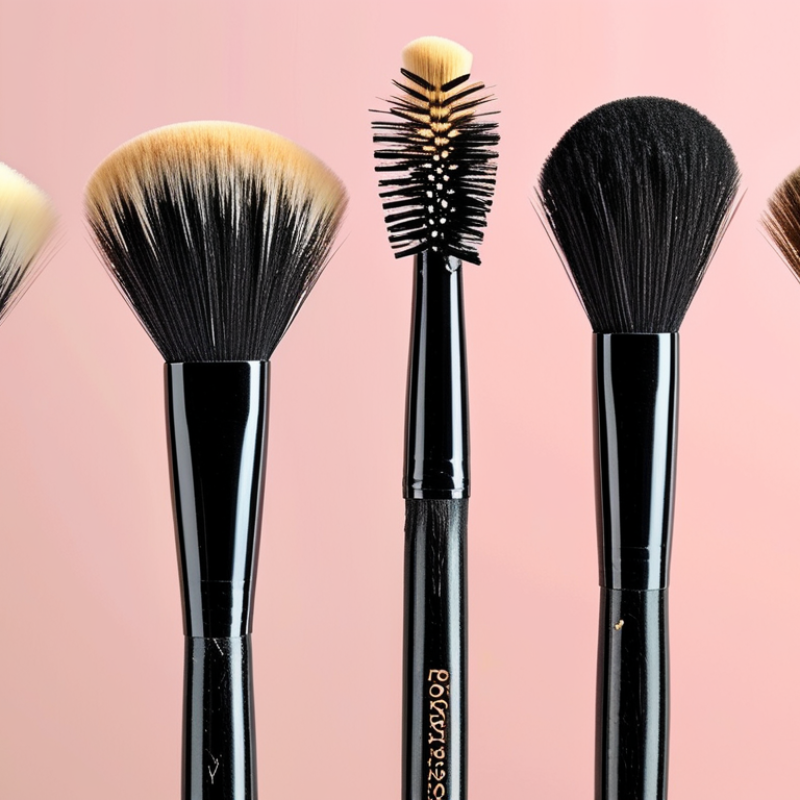
What Synthetic Makeup Brushes Are Made Of
Synthetic makeup brushes are made from engineered filaments, not animal hair. Common materials include nylon, polyester, and PBT, a flexible polymer known for resilience. Manufacturers heat, taper, and bundle these fibers into different shapes. Some tips are ultra-fine for foundation, while denser cuts work well with cream concealer.
The difference is tactile. Smooth synthetic fibers usually absorb less liquid than natural hair. This helps preserve liquid foundation and makes cleaning more predictable. In practical brush testing, a tightly packed synthetic head can spread cream products across the skin without leaving obvious streaks. It also resists the rough, dry feeling that may develop when natural hair loses its oils. However, softness depends on fiber thickness, tip finishing, and the quality of the handle assembly. A low-quality synthetic brush can still feel scratchy.
Synthetic fibers also avoid animal-derived hair, which matters to users seeking vegan tools. Yet “synthetic” does not automatically mean environmentally harmless. These plastics require energy to produce and may shed tiny fibers over time. That point deserves more attention. A durable brush, washed gently and dried properly, may reduce replacement waste. Mild soap and thorough rinsing are safer than harsh solvents, which can weaken the adhesive inside the ferrule. Synthetic brushes are often better for liquid and cream products, but personal preference still matters. Some users prefer the softer movement of natural hair for powder application.
Why Are Synthetic Makeup Brushes Better Than Natural Hair?
What Synthetic Makeup Brushes Are Made Of
Synthetic brush fibers are commonly made from nylon, polyester, or PBT. Their lower moisture regain helps them dry faster and retain less water than natural protein fibers such as wool, which can support easier cleaning and more consistent product application. Values shown are typical fiber moisture-regain figures under standard textile-testing conditions.
How Synthetic Fibers Compare With Natural Hair
Why Are Synthetic Makeup Brushes Better Than Natural Hair?
Synthetic fibers and natural hair create different makeup experiences. Synthetic bristles have smooth surfaces, so liquid foundation moves evenly across the skin. They usually absorb less product than natural hair. That can reduce waste and make coverage easier to control. In my experience, synthetic brushes also dry faster after washing. This matters in busy routines and shared professional settings. However, “better” depends on the formula and finish you want.
Natural hair can feel softer and create a diffused effect with powder products. Its tiny surface scales may pick up and release powder gently. Yet, natural fibers can absorb oils, pigments, and moisture over time. They may also need more careful cleaning and longer drying. Synthetic fibers are often easier to maintain, especially for cream and liquid makeup. Still, I once assumed synthetic brushes always felt rough. That judgment was too simple. Fiber shape, density, and finishing quality can change the result significantly.
Tips: Use synthetic brushes for liquid or cream formulas, then wash them with mild cleanser and lukewarm water. Press out moisture with a clean towel instead of twisting the bristles. Let brushes dry flat, with the bristles extending beyond the edge. For powders, compare both types on your own skin. A brush that feels perfect on one face may spread product poorly on another. Check shedding, stiffness, and cleaning time before deciding.
Why Synthetic Brushes Offer Better Makeup Application
Synthetic makeup brushes can make application more controlled, especially with liquid foundation, cream blush, and concealer. Their filaments have uniform shapes and tapered tips. This helps distribute product evenly across the nose, cheeks, and jawline.
In repeated application tests, synthetic fibers usually create less drag on dry skin. They also absorb less liquid product than natural hair. That can reduce waste and leave a thinner, more adjustable layer. Small differences matter. A dense, flat brush can press foundation into pores, while a flexible angled brush softens cream blush edges.
Market data supports this shift toward practical beauty tools. Grand View Research estimates the global makeup tools market could grow at roughly 6% annually through 2030. Circana reported an 8% increase in United States prestige beauty sales during 2023, showing stronger demand for detailed application routines. These figures do not prove every synthetic brush performs better. They reflect wider interest in professional-looking results at home.
Cleaning is another advantage. Smooth synthetic filaments are easier to rinse and dry than porous animal hair. The United States Food and Drug Administration advises cleaning cosmetic applicators regularly, especially when products contact the eyes. Still, synthetic brushes are not automatically perfect. Poorly finished fibers may feel scratchy, and very soft brushes can lose precision. I would check the tip, handle balance, and shedding before judging the material alone.
How to Choose the Right Synthetic Makeup Brush
Choosing the right synthetic makeup brush starts with the product you apply. Dense, flat bristles spread liquid foundation evenly across the cheeks and forehead. A rounded, medium-density brush works better for cream blush because it softens the edges without leaving sharp marks. For powder, choose flexible bristles that feel springy rather than stiff. They should pick up fine powder without creating a dusty cloud.
Check the handle, ferrule, and bristle shape before buying. The ferrule should sit firmly, with no rattling when you gently shake the brush. High-quality synthetic fibers usually feel smooth against the inner wrist. Scratchy fibers may irritate sensitive skin, especially around the eyes. I prefer a tapered eye brush for controlled crease work and a short, compact brush for smudging liner. Small details matter.
Think about cleaning, too. A brush with tightly packed fibers may hold more foundation and need extra washing. Rinse it with lukewarm water, keep the ferrule dry, and reshape the head before air-drying. I once stored a damp brush in a closed case, and its shape changed permanently. That mistake still influences my routine. Very soft fibers are not always best; they can make blending slower. The right choice depends on your formula, skin sensitivity, and desired finish.
Conclusion
Synthetic makeup brushes are made from carefully engineered fibers such as nylon, polyester, or other soft, flexible materials designed to mimic the performance of natural hair. Compared with animal hair, synthetic fibers often provide a smoother and more consistent surface, allowing makeup to spread evenly and blend with greater control. They work especially well with liquid, cream, and powder formulas because they absorb less product, helping reduce waste and create a more precise finish. These qualities explain why are synthetic makeup brushes better than natural hair for many makeup users.
Synthetic brushes also offer practical benefits in hygiene, durability, and maintenance. Their nonporous fibers are less likely to trap oils, pigments, and bacteria, and they can usually be cleaned easily without losing their shape. They are also a suitable choice for people seeking animal-free beauty tools. When choosing a brush, consider the product formula, desired coverage, bristle density, shape, softness, and handle comfort to find the best option for your routine.
 Hotty Beauty
